May
4 Trends for Commercial Developers in 2023
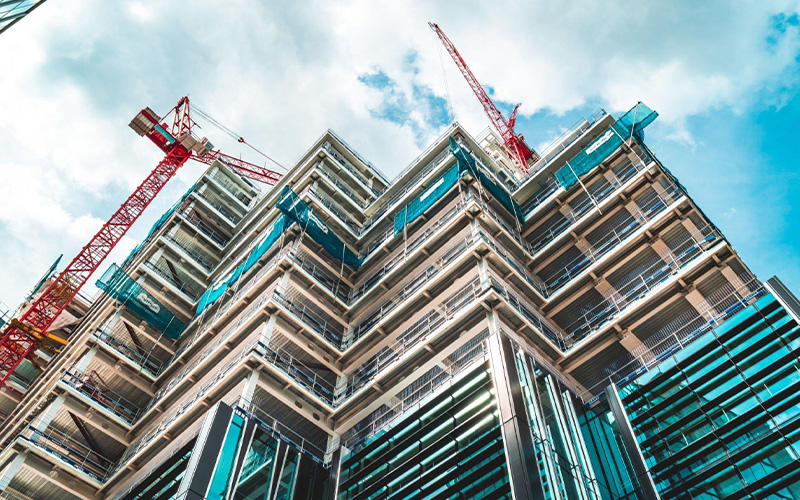
As the demand for office space undergoes a decline due to the prevalence of hybrid structures, a golden opportunity is present to the developers to reimagine their office offerings. With 2023 just around the corner, a myriad of trends are beginning to surface, demanding the attention of commercial building developers.
1. Adapting to Hybrid Environments
People who have the option of working remotely frequently go into the workplace for a variety of reasons. Whether it's for the joy of socializing with colleagues, avoiding distractions, or seeking a change of environment, the allure of the workplace remains.
To cater to this evolving dynamic, commercial building developers are embracing a reimagined workspace concept that fosters collaboration and breaks down formal barriers. Hyperconnected conference rooms, shared workspaces, and open floor layouts are just a few elements that highlight this shift. In fact, an analysis by JLL found that a staggering 97% of high-performing employees attributed their success to offices that facilitated collaboration. Similarly, a global survey conducted by Knight Frank revealed that 55% of respondents expressed a desire for more collaborative spaces in their workplaces.
As the demand for a vibrant and cooperative environment continues to grow, commercial building developers must seize the opportunity to create spaces that inspire interaction and fuel productivity.
2. Allowing Staff to Recharge
As the demand for a vibrant and cooperative environment continues to grow, commercial building developers must seize the opportunity to create spaces that inspire interaction and fuel productivity.
As remote work allows individuals to step away from their laptops and enjoy outdoor breaks, the importance of providing similar opportunities within the workplace is gaining recognition. Businesses now understand the need for employees to have various ways to unwind throughout the workday, and access to outdoor spaces is becoming increasingly crucial.
Dedicated gyms have become a common feature on wish lists, with some even repurposing spaces for health and mindfulness workshops. Moreover, the trend of fully furnished cafeterias offering a wide selection of nutritious, high-quality food options, along with contactless services, is on the rise. Even the traditional common area is making a comeback, providing comfortable and informal seating options that encourage socializing with colleagues away from the desk. While game rooms may seem cliché, they have proven to be effective in promoting a positive work atmosphere.
As the focus on employee wellness intensifies, commercial building developers must respond to these evolving demands by incorporating outdoor spaces, well-equipped amenities, and inviting communal areas, all of which contribute to a happier and more productive workforce.
3. Bringing the Office Home
Innovative approaches to the work-from-home lifestyle are emerging among multifamily community developers, particularly in apartment and condominium buildings. Recognizing the needs of individuals who prefer to stay at home but still desire an office-like experience, especially those living with fellow remote workers, a fresh perspective is being applied to traditional business centers. Residential constructions are now integrating features such as private video conferencing facilities, often referred to as "Zoom rooms," dedicated co-working spaces, secure internet connections, and more.
By reimagining the traditional boundaries between home and office, developers are offering residents the convenience and functionality of a professional workspace within their residential environment. This forward thinking approach reflects a growing demand for flexible work arrangements and highlights the adaptability of commercial building developers in meeting the evolving needs of modern professionals.
4. Reusing Abandoned Buildings
The downsizing of businesses has resulted in the abandonment of structures that no longer align with the requirements of the modern workplace. This shift has opened up new possibilities for developers to break free from the conventional limitations associated with these properties and reimagine their potential uses, whether it's the structure itself or the land it occupies.
Innovative transformations are taking place, with multifamily housing being rezoned and redesigned to accommodate commercial purposes. Additionally, certain properties, such as self-storage facilities, logistics hubs, life sciences depots, or cold-storage warehouses, are being repurposed for industrial use. Furthermore, the adaptive reuse of historic structures continues to gain traction as individuals invest in and restore buildings that have long been pillars of the community.
This wave of redevelopment and adaptive reuse showcases the creativity and forward-thinking approach of commercial building developers as they find new ways to breathe life into existing structures and unlock their full potential in line with the evolving needs of the modern business landscape.
Mar

Real Estate Development Challenges
Conceptualization and Feasibility Study:
For conceptualization, developers embark on the identification of potential locations, conduct market research and scrutinize the feasibility of the project. This stage encompasses the assessment of elements like market demand, target demographics, financial viability and regulatory prerequisites. A feasibility study will be done to help the developer make well-informed choices and establish a robust groundwork for the project.
Design and Planning:
Following the completion of the feasibility study, the focus transitions to the design and planning phase. Architects, engineers and urban planners join forces to create a vision for the development. In this collaborative effort, they take into account elements such as architectural style, building materials, space utilization, amenities, and sustainability. The goal is to craft designs that are not only functional but also aesthetically pleasing. It is tailored meticulously to meet the needs and preferences of future residents.
Regulatory Approvals and Permits:
Before construction can commence, developers must obtain the necessary regulatory approvals and permits. This process involves navigating through local zoning regulations, building codes, environmental assessments, and other legal requirements. Ensuring compliance with these regulations is crucial to avoid delays and ensure a smooth progression of the project.
Financing and Project Funding:
Securing finance and solid project funding is a crucial aspect of housing development. Developers will engage in a proactive exploration of diverse avenues, ranging from bank loans to partnerships and investor funding, to solidify the financial foundation of their projects. The creation of a comprehensive financial plan is a fundamental aspect of this stage where the plan will lay down the construction costs, contingency funds, and marketing expenses, and implement a strategic framework to ensure a positive return on investment.
Construction and Project Management:
Once the financing is secured, the actual construction phase will begin. In this stage, project managers assume a central role, overseeing the construction process and coordinating with contractors, suppliers, and labourers to ensure a timely and efficient execution. Quality control measures are implemented to maintain construction standards and ensure compliance with safety regulations. Effective project management is crucial in maintaining the development’s progress on schedule and within the designated budget.
Marketing and Sales:
As the housing development nears completion, marketing and sales efforts kick in. A well-planned marketing strategy is implemented to attract potential buyers or tenants. This may involve showcasing model units, leveraging online platforms, collaborating with real estate agents, and hosting open houses. Effective marketing and sales efforts are essential for a successful project launch and achieving desired occupancy rates.
Delivery and Post-Construction:
Upon completion of construction, the developers will transfer the housing units to buyers or tenants. To facilitate a seamless transition, developers address any outstanding issues and furnish essential documentation. Post-construction management activities that still persist encompass the establishment of homeowner associations, maintenance planning, and customer support. These measures are implemented to ensure resident satisfaction and contribute to the sustained success of the development over the long term.
Navigating the path from conceptualization to construction in housing development is an intricate and multi-faceted process. Accomplished developers diligently focus on each stage, beginning with the initial conceptualization and concluding with the ultimate delivery. This includes conducting thorough feasibility studies, incorporating strategic design and planning, adeptly handling regulatory requirements, securing funding, overseeing construction, and implementing effective marketing and sales strategies. Through these thorough efforts, developers can create thriving housing projects that not only meet the needs of residents but also contribute to the vibrancy of the communities they are a part of.
Jul
From Concept to Construction: Process of Housing Development
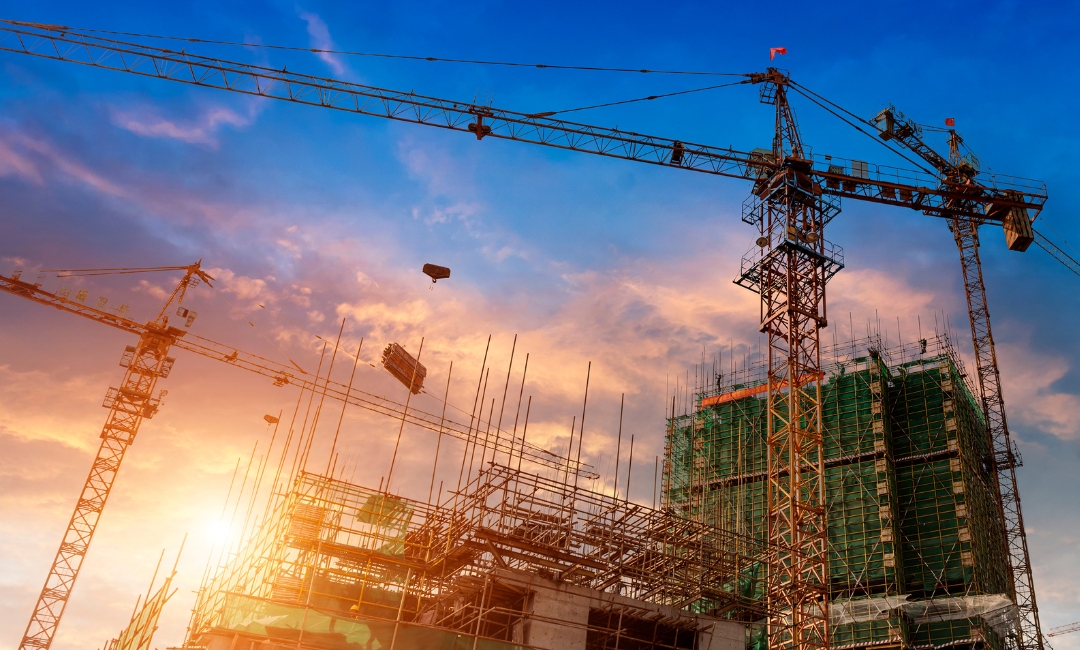
Conceptualization and Feasibility Study: For conceptualization, developers embark on the identification of potential locations, conduct market research and scrutinize the feasibility of the project. This stage encompasses the assessment of elements like market demand, target demographics, financial viability and regulatory prerequisites. A feasibility study will be done to help the developer make well-informed choices and establish a robust groundwork for the project.
Design and Planning:
Following the completion of the feasibility study, the focus transitions to the design and planning phase. Architects, engineers and urban planners join forces to create a vision for the development. In this collaborative effort, they take into account elements such as architectural style, building materials, space utilization, amenities, and sustainability. The goal is to craft designs that are not only functional but also aesthetically pleasing. It is tailored meticulously to meet the needs and preferences of future residents.
Regulatory Approvals and Permits:
Before construction can commence, developers must obtain the necessary regulatory approvals and permits. This process involves navigating through local zoning regulations, building codes, environmental assessments, and other legal requirements. Ensuring compliance with these regulations is crucial to avoid delays and ensure a smooth progression of the project.
Financing and Project Funding:
Securing finance and solid project funding is a crucial aspect of housing development. Developers will engage in a proactive exploration of diverse avenues, ranging from bank loans to partnerships and investor funding, to solidify the financial foundation of their projects. The creation of a comprehensive financial plan is a fundamental aspect of this stage where the plan will lay down the construction costs, contingency funds, and marketing expenses, and implement a strategic framework to ensure a positive return on investment.
Construction and Project Management:
Once the financing is secured, the actual construction phase will begin. In this stage, project managers assume a central role, overseeing the construction process and coordinating with contractors, suppliers, and labourers to ensure a timely and efficient execution. Quality control measures are implemented to maintain construction standards and ensure compliance with safety regulations. Effective project management is crucial in maintaining the development’s progress on schedule and within the designated budget.
Marketing and Sales:
As the housing development nears completion, marketing and sales efforts kick in. A well-planned marketing strategy is implemented to attract potential buyers or tenants. This may involve showcasing model units, leveraging online platforms, collaborating with real estate agents, and hosting open houses. Effective marketing and sales efforts are essential for a successful project launch and achieving desired occupancy rates.
Delivery and Post-Construction:
Upon completion of construction, the developers will transfer the housing units to buyers or tenants. To facilitate a seamless transition, developers address any outstanding issues and furnish essential documentation. Post-construction management activities that still persist encompass the establishment of homeowner associations, maintenance planning, and customer support. These measures are implemented to ensure resident satisfaction and contribute to the sustained success of the development over the long term.
Navigating the path from conceptualization to construction in housing development is an intricate and multi-faceted process. Accomplished developers diligently focus on each stage, beginning with the initial conceptualization and concluding with the ultimate delivery. This includes conducting thorough feasibility studies, incorporating strategic design and planning, adeptly handling regulatory requirements, securing funding, overseeing construction, and implementing effective marketing and sales strategies. Through these thorough efforts, developers can create thriving housing projects that not only meet the needs of residents but also contribute to the vibrancy of the communities they are a part of.
EXPLORE OUR OFFICE
Explore the Vision of a Premier Developer in Sarawak
Visit our office today and experience the vision, passion, and dedication that define our developments. Discover the perfect harmony of design and comfort through our Housing Development Sarawak and Property Development Sarawak projects as you embark on a journey towards finding your dream home.